

Latest Gaming PlayMyWorld: What’s Actually Confirmed
- August 20, 2026
- 0
If you’ve searched for latest gaming PlayMyWorld and come away more confused than when you started, you’re not imagining it. The short answer is that PlayMyWorld is talked



9621 Agnes Crossing, Lake Suzanneview, New Mexico Island 84604-9295.
If you’ve searched for latest gaming PlayMyWorld and come away more confused than when you started, you’re not imagining it. The short answer is that PlayMyWorld is talked
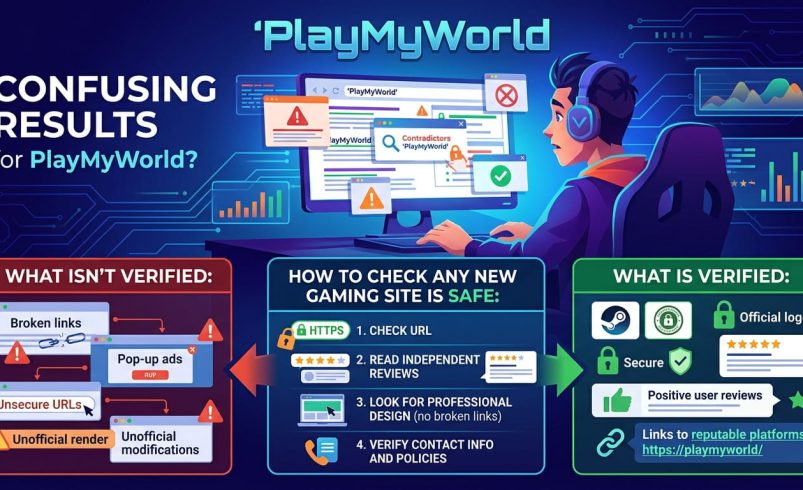
If you’ve searched for latest gaming PlayMyWorld and come away more confused than when you started, you’re not imagining it. The short answer is that PlayMyWorld is talked about online as a browser-based gaming site, but there’s no single official source with clear, consistent details on what it actually offers, who runs it, or whether it’s safe to use. This guide sets out exactly what’s solid, what’s guesswork, and how to protect yourself while you find out more.
We’re not going to invent prices, launch dates or feature lists just to fill a page. If a fact can’t be checked against an official source, we’ll say so plainly.
Here’s the honest answer: it depends who you ask, and none of the sources agree with each other in any detail that can be verified.
Search results describe latest gaming PlayMyWorld in at least three different ways: a general browser gaming portal with a mixed library of puzzle, action and racing titles, a Minecraft-style world-building platform with avatars and user-generated content, and a gaming news hub that aggregates updates rather than hosting games itself. These aren’t small differences in wording. They’re different products, and a genuine platform wouldn’t normally be described so inconsistently across the pages that rank for it.
A few things are worth flagging before you go further:
That last point matters more than it might seem. When multiple “independent” articles share the same sentences, it usually means the content has been copied, spun, or generated in bulk rather than written from firsthand testing of a real product.
Latest gaming PlayMyWorld is a phrase that’s clearly getting search volume, and that alone tends to attract low-effort content written to rank rather than to inform. You’ll notice most of the pages that come up:
None of this proves PlayMyWorld doesn’t exist in some form. It does mean that, as things stand, there isn’t enough verified information to write a normal features-and-pricing guide without making things up.
Stripping away the inconsistent claims, a small number of points come up across most of the search results, even if none of them are independently confirmed:
It’s described as browser-based. Multiple sources say you don’t need to download or install anything, and that games run inside a normal web browser on desktop or mobile.
It’s free to access. Every source that mentions cost describes it as free to play, usually funded through adverts or optional in-game purchases, though none give exact figures for either.
It covers a mix of casual genres. Puzzle, action, racing and simple multiplayer games are mentioned repeatedly, in the same vague, category-list style rather than as named titles you could go and check.
Treat all three of these as “commonly claimed” rather than “confirmed.” They’re consistent, but consistency across low-quality content isn’t the same as verification.
This is the section most guides skip, and it’s the one that actually matters if you’re thinking about signing up to anything.
If you search directly for a company registration or an app store listing and find one, that’s the point at which this guide would need updating. As of today, we couldn’t.
We can’t tell you PlayMyWorld specifically is safe or unsafe, because there isn’t enough verified information to make that call either way. What we can do is give you a proper method for checking any new gaming site before you hand over an email address, a password, or payment details.
Genuine platforms almost always have some or all of the following, and PlayMyWorld’s search presence is currently missing most of them:
This checklist works for PlayMyWorld or any other unfamiliar gaming site you come across in the UK.
Look up the domain’s age. Free tools like WHOIS lookups show you when a site was registered. A domain that’s only a few months old, paired with claims of “millions of players,” is a mismatch worth noticing.
Check the App Store or Google Play listing directly, rather than trusting a link from a blog post. Genuine mobile apps have a developer name, a review count and a version history you can scroll through.
Search the company name on Companies House (gov.uk/get-information-about-a-company) if a UK business is claimed. It’s free, takes under a minute, and tells you whether the company is real, dissolved, or doesn’t exist at all.
Read the privacy policy before you sign up. Under UK GDPR, any legitimate service handling your data has to explain what it collects and why. If there’s no privacy policy, or it’s copied wording that doesn’t match the site’s own name, that’s a clear warning sign.
Be sceptical of “zero cost, zero catch” claims. Free-to-play is a completely normal model, but ad-funded or purchase-funded platforms should say so plainly rather than implying there’s no business model at all.
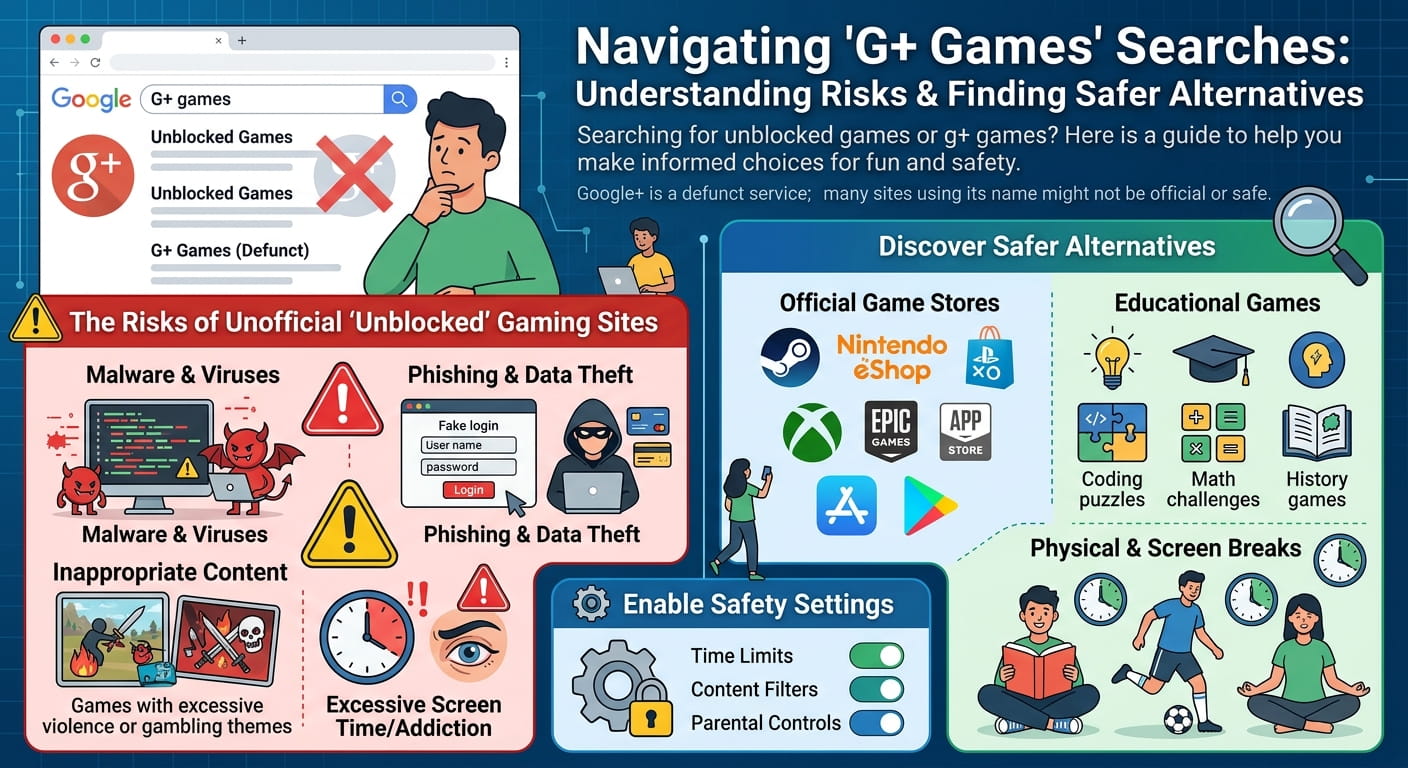
If PlayMyWorld or any similar platform does turn out to host real games, PEGI (Pan European Game Information) age ratings are the standard you should check for in the UK, alongside age ratings and reviews inside the App Store or Google Play. PEGI ratings run from 3 to 18 and cover things like violence, bad language, gambling-style content and in-app purchases. A platform aimed at all ages that has no PEGI or app store age rating information anywhere is another gap worth noting, since most legitimate multiplayer gaming sites display this clearly.
The UK’s ICO (Information Commissioner’s Office) also expects any site processing children’s data to follow the Children’s Code, which sets stricter rules around data collection, advertising and privacy settings for under-18s. This is especially relevant if a platform’s audience includes younger players, as several of the PlayMyWorld write-ups imply without confirming any age-verification process.
If what you actually want is a free, browser-based gaming platform with a track record you can check, a few well-known UK-accessible options have the transparency PlayMyWorld’s search results currently lack. Sites like Poki and CrazyGames publish clear terms of service, run recognisable advertising partnerships, and have years of consistent operation behind them. Itch.io is another option worth a look if you’re more interested in independent and experimental titles, since it’s built around named developers rather than an anonymous catalogue.
None of this is a paid recommendation. It’s simply that these sites clear the basic transparency checks this guide has set out, which is the bar any gaming platform should meet before you trust it with an account.
There’s no way to confirm this from publicly available information. Multiple websites describe something called PlayMyWorld, but they disagree on core details like what it does and how much it costs, and none link to a verifiable company or app store listing.
Sources that mention cost describe it as free to access, typically funded by adverts or optional purchases. No specific pricing has been independently confirmed, so treat this as an unverified claim rather than a fact.
Several articles claim mobile support, but none link to a working App Store or Google Play listing. Search the App Store or Google Play directly using the exact name before assuming an app exists.
There’s no visible PEGI rating, age-verification process or reference to the UK’s Children’s Code in any source reviewed. Until that changes, treat any platform in this position as unverified for younger players and supervise accordingly.
A number of the top-ranking pages share identical or near-identical wording despite appearing on different websites. This usually points to spun or bulk-generated content rather than independent testing and reporting.
Look up the domain’s registration date, search for the company on Companies House if it claims to be UK-based, read the privacy policy, and check for independent reviews on Trustpilot or an app store. Genuine platforms rarely fail all of these checks at once.
Check what personal data you provided and consider changing your password if you’ve reused it elsewhere. If you gave payment details, keep an eye on your statements and contact your bank if anything looks unfamiliar.
Yes. Poki, CrazyGames and itch.io are established browser-based gaming sites with clear terms of service and a long operating history, which makes them easier to vet than a platform with limited public information.