

Empty Living Room? Why It Feels Bare and How to Fix It
- August 20, 2026
- 0
If your living room feels empty even though there’s furniture in it, the problem is almost never the size of the room. It’s usually a missing rug, undersized



9621 Agnes Crossing, Lake Suzanneview, New Mexico Island 84604-9295.
If your living room feels empty even though there’s furniture in it, the problem is almost never the size of the room. It’s usually a missing rug, undersized
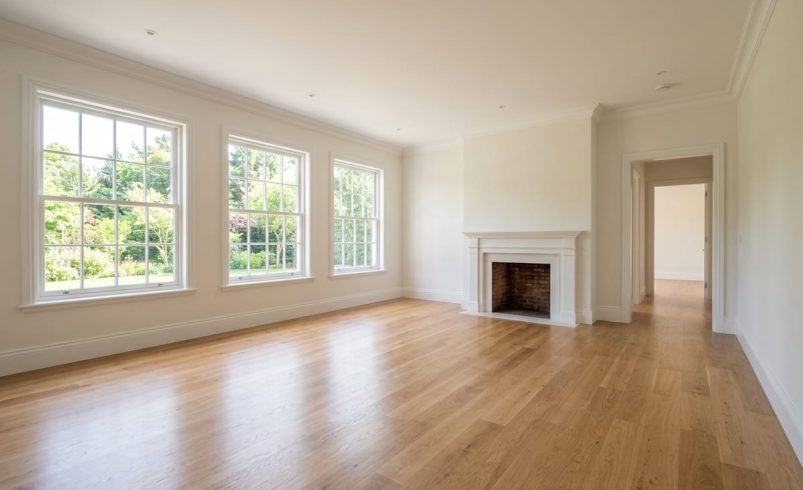
If your living room feels empty even though there’s furniture in it, the problem is almost never the size of the room. It’s usually a missing rug, undersized furniture, bare walls, or a total absence of layering, and every one of those is fixable without a full refurnishing budget. This guide walks through exactly why living rooms end up feeling empty and hollow, then gives you room-by-room fixes, including one that most guides skip entirely: transforming tired old furniture with all-in-one furniture paint instead of buying new.
An empty living room isn’t always about having too little stuff. Sometimes it’s the right amount of stuff arranged the wrong way, or good furniture that’s the wrong scale, colour, or finish for the space. We’ll cover both: what to add, and how to make what you already own work harder.
Before buying anything, it helps to work out which of these you’re actually dealing with, because the fix is different for each.
A two-seater sofa and a tiny coffee table can genuinely swim in a room built for a family-sized suite. Furniture that’s undersized for its space leaves visible gaps around every edge, and no amount of cushions fixes that on its own. As a rough guide, a sofa should take up roughly a third to a half of your longest wall, not sit shrunken in the middle of it.
A living room without a rug tends to feel disjointed, because the sofa, chairs and coffee table read as separate islands rather than one grouping. A rug pulls a seating area together visually, even in a room that’s otherwise sparsely furnished. The general rule for UK living rooms is that all your front furniture legs, or at minimum the front legs of the sofa and chairs, should sit on the rug.
Blank walls are one of the biggest culprits behind that “empty flat” feeling, even in a fully furnished room. A single small print centred on a large wall often makes the problem worse, not better, because it emphasises how much space is left over.
A single central ceiling light leaves a flat, empty feel no matter how much furniture is in the room. Living rooms that feel finished almost always have at least two or three light sources at different heights: a floor lamp, a table lamp, and ambient ceiling light.
If everything in the room sits below waist height, sofas, low coffee tables, low shelving, your eye has nowhere to travel upward, and the room can feel oddly flat even with plenty of furniture in it. Tall bookcases, floor lamps and taller plants correct this instantly.
Not every fix needs new furniture. These are the cheapest wins, roughly in order of impact.
Corners are usually where an empty living room shows itself most, because they’re the space people forget to plan for.
A tall, narrow piece works best in a corner: a slim bookcase, a ladder shelf, or a console table with a lamp on top. Sculptural pieces, like a floor vase or a single art object on a plinth, can fill a corner with minimal footprint if you’re short on floor space. If your window sits close to a corner, a simple window seat with cushions turns dead space into somewhere people actually want to sit.
Avoid the trap of cramming a random chair into every corner “just because.” An empty corner styled with one deliberate piece looks far more finished than one filled with something that has no obvious purpose.
Getting the rug size wrong is one of the most common living room mistakes in the UK, and it’s an easy one to avoid.
| Room size | Recommended rug size |
| Small living room (up to 3m x 3.5m) | 160cm x 230cm |
| Medium living room | 200cm x 290cm |
| Large living room | 240cm x 330cm or larger |
| Under a coffee table only | At least 60cm wider than the table on all sides |
A rug that’s too small is one of the fastest ways to make a room feel emptier than it is, because it creates a visible “island” in the middle of the floor with dead space around it.
Here’s the option most empty living room guides completely skip: you may already own the pieces you need, they just need a refresh. All-in-one furniture paint has become one of the most popular ways UK homeowners fill and refresh a bare living room without buying a single new item.
Traditional furniture painting used to mean sanding, priming, painting, then sealing with wax or lacquer, often four separate products and a full weekend of work. All-in-one furniture paints are self-priming and self-sealing, so most pieces need no sanding and no separate primer, and some need no topcoat at all. That’s a genuinely useful shortcut if you’ve got an old sideboard, coffee table or bookcase sitting unused elsewhere in the house.
Prices vary and change fairly often, so it’s worth checking current stock and pricing at B&Q, Frenchic’s own site, or your local independent stockist before you commit to a colour.
A tired, mismatched, or dated piece of furniture often gets pushed to the loft or the spare room rather than used, which is exactly how living rooms end up under-furnished. Repainting a coffee table, console, or old bookcase in a colour that matches your current scheme brings it back into use for the cost of a single tin of paint, usually £15 to £25, rather than £150 to £400 for something new. It also solves the “everything matches nothing” problem that makes rooms with genuinely enough furniture still feel oddly incomplete.
Cleaning the surface, applying two thin coats of an all-in-one paint, and letting each coat dry for the recommended time (usually one to two hours touch-dry, 24 hours before normal use) is realistic for a coffee table or small sideboard in a single weekend. Larger pieces, like a bookcase or dresser, are still doable but will need a full day free of clutter to work around.
Wall art is where a lot of people underspend, both on size and on quantity, which is part of why bare walls are one of the top reasons living rooms feel empty.
A room lit only by one central ceiling pendant almost always feels flat, regardless of how much furniture is in it. Aim for at least three light sources at different heights: overhead, a table or floor lamp at seated eye level, and something lower, like an uplighter behind a plant.
Warm white bulbs (around 2700K to 3000K) suit UK living rooms far better than cool white, which can make a sparse room feel clinical rather than cosy. If you’re not ready to rewire anything, plug-in floor and table lamps on a smart plug or simple timer give you layered lighting without any electrical work.
Costs vary hugely by taste and what you already own, but here’s a realistic UK range for common fixes.
| Fix | Typical UK cost |
| Large rug (200cm x 290cm) | £80 to £250 |
| Floor lamp | £25 to £90 |
| Large indoor plant, real or artificial | £15 to £60 |
| Wall art, single large piece | £30 to £150 |
| All-in-one furniture paint (750ml tin, covers one medium piece) | £15 to £25 |
| Cushions and throws (set of 3 to 4) | £25 to £60 |
| New tall bookcase or shelving unit | £60 to £250 |
It’s usually one or more of: undersized furniture for the room, no rug anchoring the seating area, bare walls, flat single-source lighting, or nothing at eye level or above. Fixing even two or three of these usually resolves the “empty” feeling without buying anything large.
Use one tall, deliberate piece rather than several small ones: a slim bookcase, a floor lamp, a large plant, or a console table with a lamp on top. A corner filled with a single purposeful item reads as far more finished than one crammed with odds and ends.
For a small UK living room, roughly 3m by 3.5m, a rug around 160cm x 230cm usually works well. The key rule is that at least the front legs of your main seating pieces should sit on the rug, not float off it.
Most all-in-one furniture paints work on wood, MDF, previously painted surfaces, and some work on metal and UPVC too, but always check the specific product label first. Bare, unsealed wood sometimes still benefits from a light sand even on self-priming paints, so read the tin before starting.
Usually not, that’s the main point of an all-in-one formula, but manufacturers generally still recommend a light sand or scuff on very glossy or heavily varnished surfaces for the best grip. A quick wipe with sugar soap or white spirit to remove wax and grease first makes a bigger difference to durability than sanding does.
It depends entirely on what you’re starting with, but small fixes like plants, cushions, lamps and repainted furniture can transform a room for £150 to £400 total. A full refurnish with new rug, sofa upgrade, art and lighting typically runs £800 upward, depending on quality and size.
Traditional chalk paint usually still needs a separate wax or lacquer topcoat for durability, while true all-in-one paints are formulated to self-seal, so no separate topcoat step is needed. Some products, like Frenchic’s Lazy Range, blur the line by including wax in the formula itself.
Cameras flatten depth and compress a room, which exaggerates gaps between furniture and empty wall space that you don’t notice standing in the room. Adding layered lighting, a rug, and wall art at the right height helps a room photograph as full as it feels in person.